
Fully Automated & Waterless Maintenance
Dry-Based Robotic Solar Panel Cleaning Solution
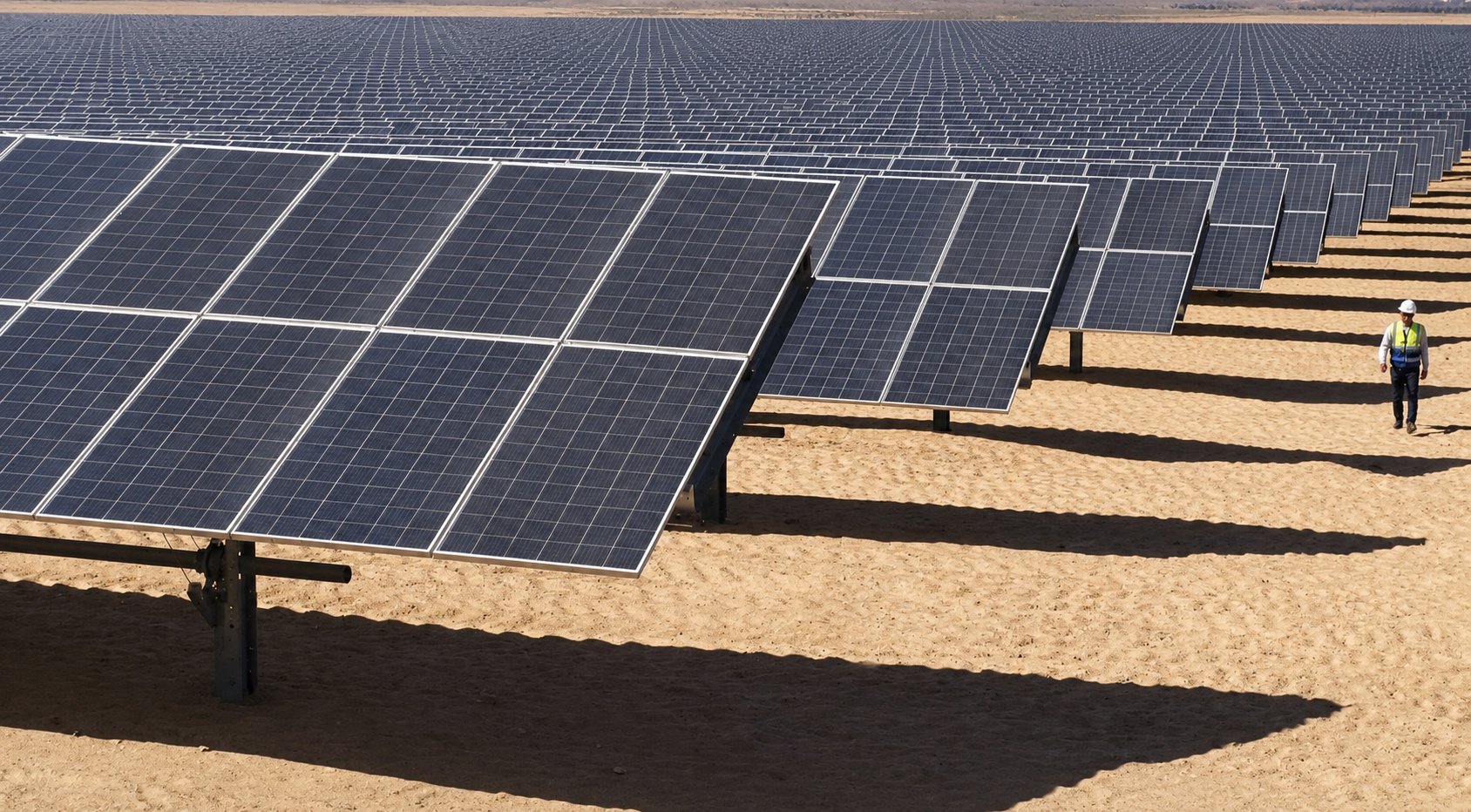
An advanced, fully automated and waterless maintenance system designed to augment execution across utility-scale solar power plants.
Dry-Based Robotic Solar Panel Cleaning Solution
The Dry-based Robotic Solar Panel cleaning solution by ACSG Systems is an advanced, fully automated and waterless maintenance system designed to augment execution across utility-scale solar power plants. This innovation replaces traditional cleaning methods by using autonomous robots to remove dust, sand, and particulate buildup, preventing soiling-related energy losses and keeping photovoltaic infrastructure operating at peak capacity. Utilizing ultra-soft microfiber rollers engineered to lift fine dust without damaging panel surfaces, it functions completely water-free—eliminating thermal shock risks to heated modules and preventing chemical runoff.
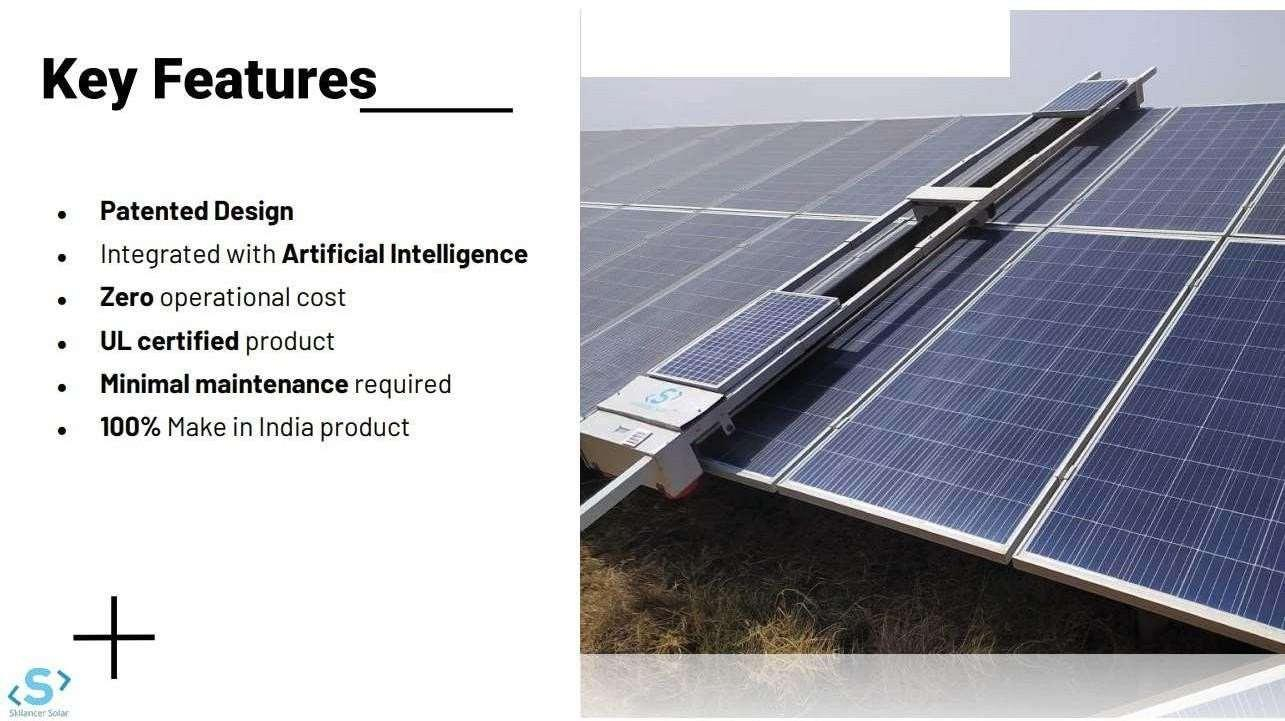
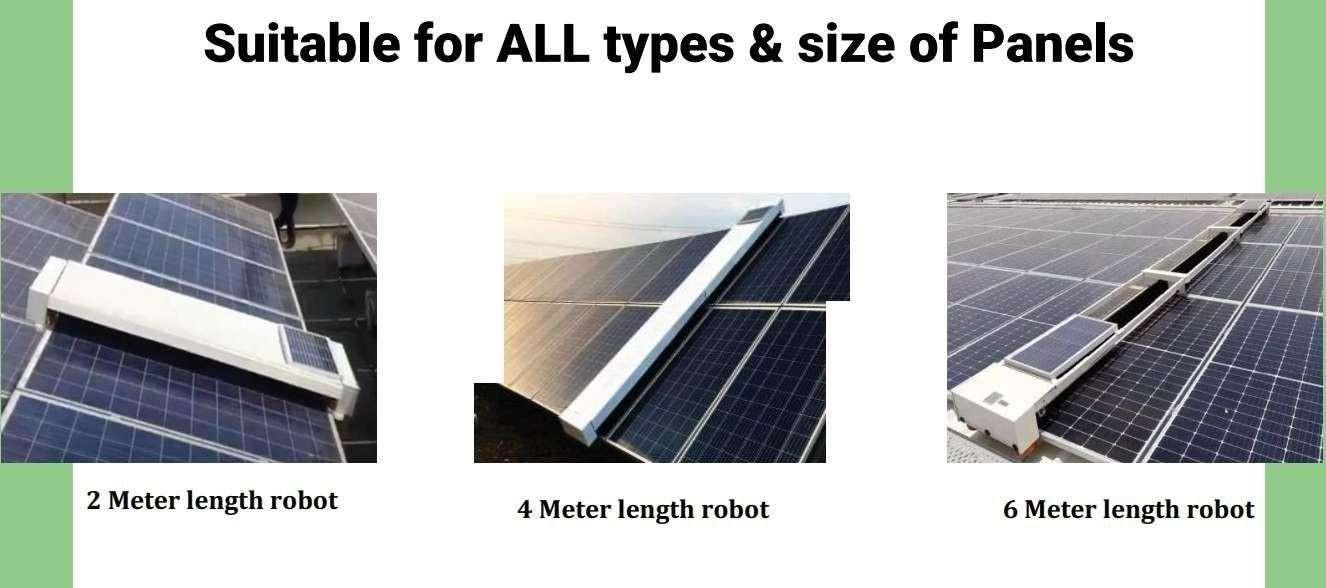
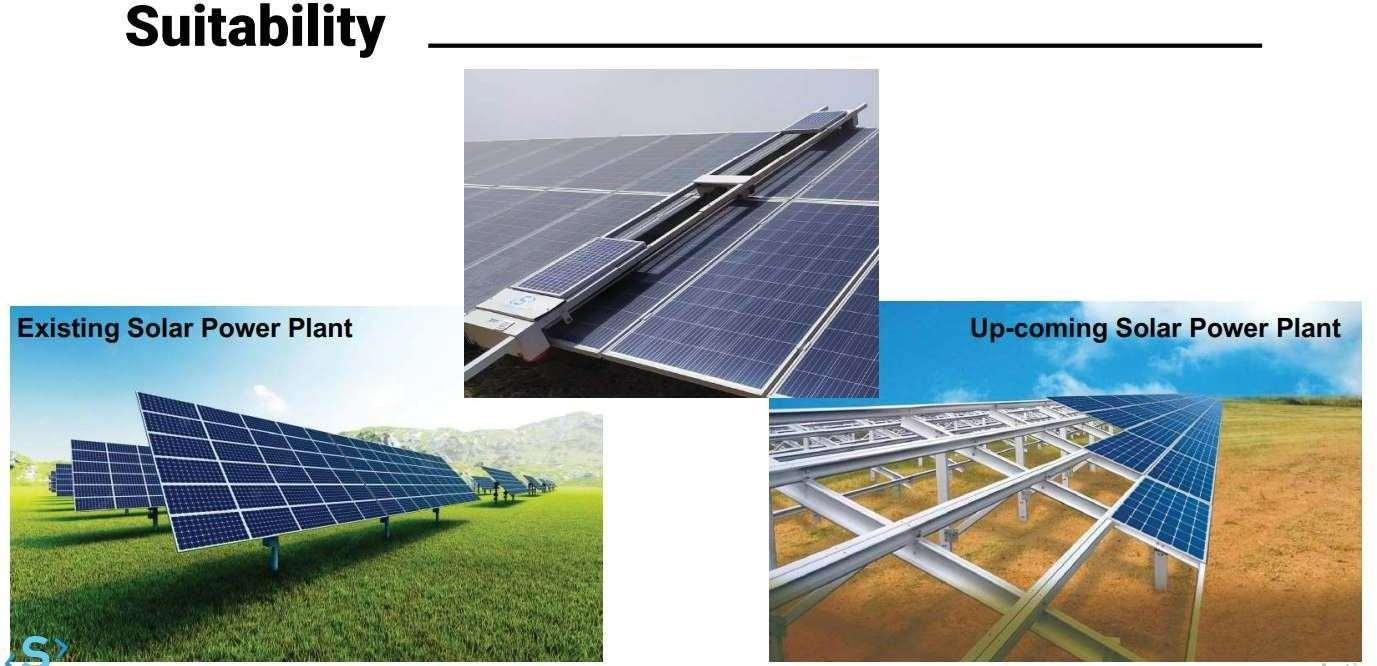
The robot autonomously maneuvers across contiguous rows of solar arrays using intelligent sensors and adaptive alignment tracks, seamlessly negotiating structural gaps and varying tilt angles without human intervention. Powered by high-capacity rechargeable battery modules and low-power electronics for prolonged daily cycles, this Dry Robotic Solar Panel cleaning technology maintains a strict zero-water footprint ideal for arid environments. Systematic runs prevent localized dust shading and hot spots, extending cell lifespan while transitioning to automated assets stabilizes long-term operations and maintenance (O&M) costs.
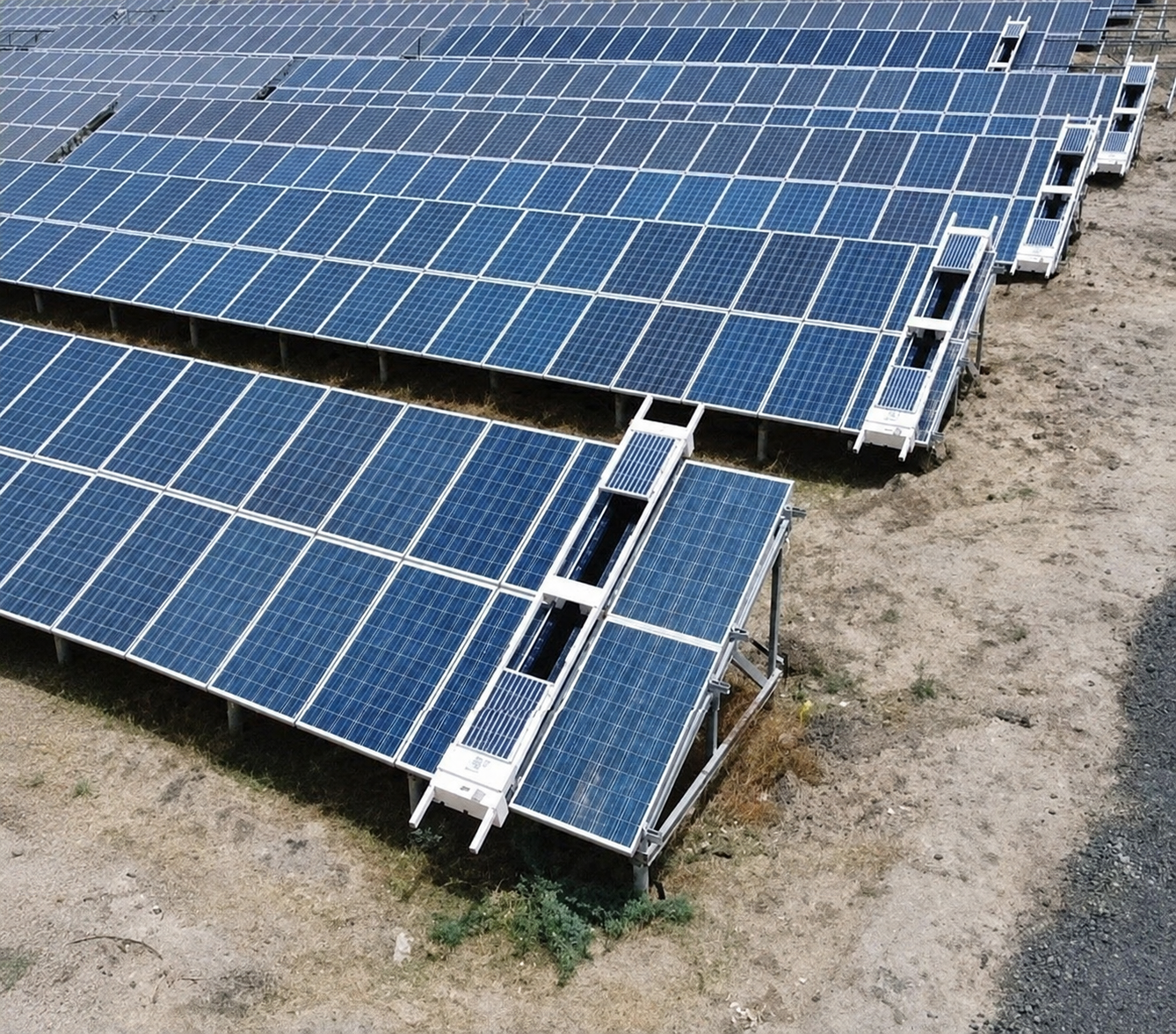
Solution
Dry-Based Robotic Solar Panel Cleaning
- check_circle no manual intervention
- brush ultra-soft microfiber rollers
- watch_off zero-water operational footprint
- route adaptive alignment & autonomous navigation
- battery_charging_full high-capacity rechargeable battery modules
- savings stabilized O&M operational costs
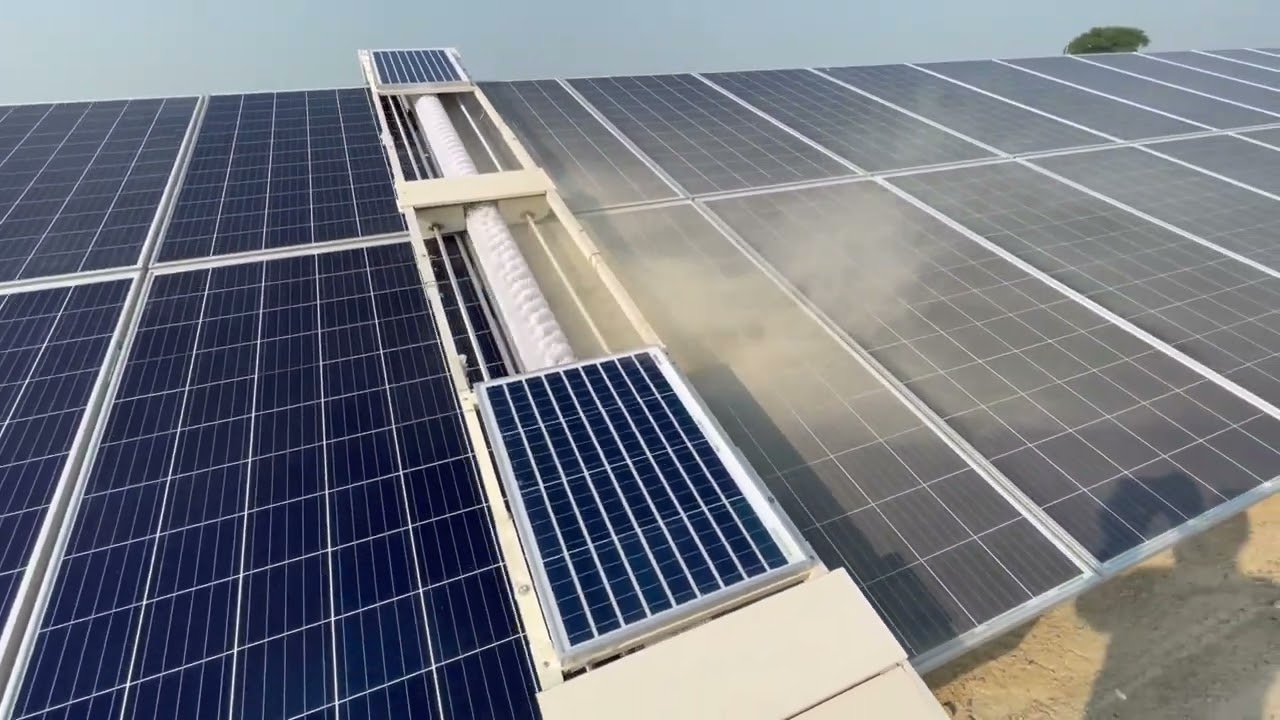
Key Features
Patented Innovation
Proprietary design engineered for unique, high-performance capability
AI-Integrated Technology
Powered by artificial intelligence for automated optimization and smart operations
Zero Operational Costs
Engineered to deliver full performance with no recurring energy or operational expenses
UL-Certified Safety
Independently tested and certified by Underwriters Laboratories to meet stringent global safety and quality standards
Low-Maintenance Reliability
Built with high-durability components requiring minimal ongoing maintenance
Indigenous Manufacturing
Fully designed, developed, and manufactured in India
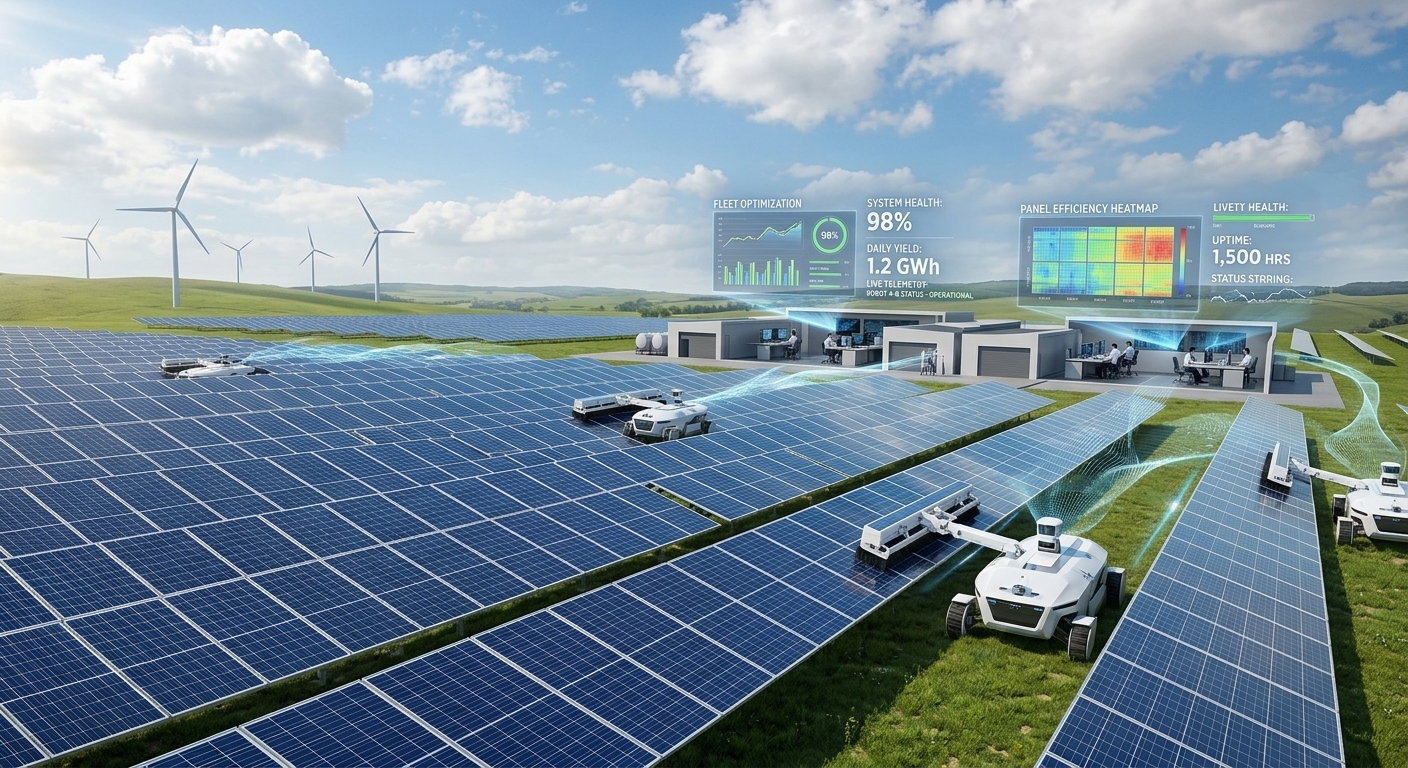
Cloud based communication
- settings_remote
Remote Multi-Device Control
Each robot can be controlled remotely through PC or mobile interface.
- warning
User Warnings
Receive alerts for obstacle detection or low battery.
- analytics
Fleet Optimization / Real-Time Data Aggregation
Each robot transmits operational metrics, such as runtime, battery status, and component health, which are automatically aggregated and displayed on your dashboard.
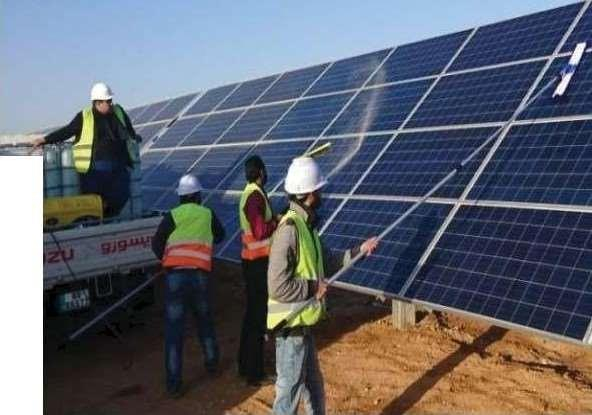
Comparison between Methods
| Feature | Manual Water-Based Cleaning | Dry-Based Cleaning Robot |
|---|---|---|
| Cleaning Method | Water-intensive cleaning process | 100% dry, waterless cleaning process |
| Automation Level | Manual: Labor: intensive with physical oversight required. | Fully Autonomous: Programmable robotic |
| Cleaning Frequency | Restricted to periodic intervals; daily cleaning is impractical. | Scheduled daily and automated cleaning cycles for consistent uptime. |
| Operational Costs (Long-Term) | High & Recurring: Continuous expenditure on labor and water supplies. | Low: Single initial investment per unit with nominal annual maintenance fees. |
| Environmental & Human Impact | Negative footprint from heavy water wastage and risk of panel thermal shock. | Eco-friendly solution with zero water runoff and minimal site hazards. |
| Scalability | Limited; highly dependent on manual labor availability and water logistics. | Highly scalable across utility-scale solar farms. |
| Cleaning Efficiency | Inconsistent performance; difficult to measure precise output gains. | Efficiency increases by at least 7.5% in 15 days during monsoon season. |
Indian Landscape
Renewable Energy Hubs in India
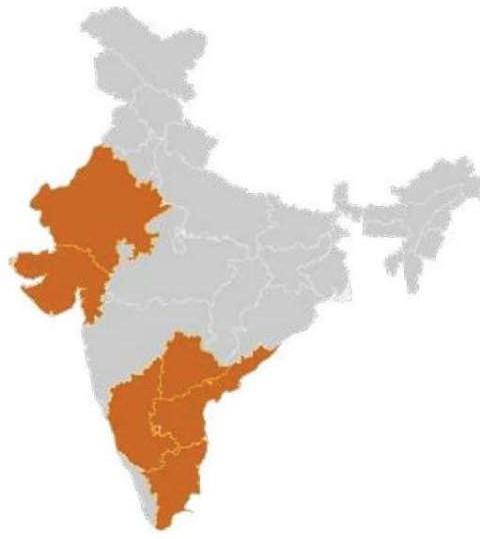
Vast desert potential for utility scale solar
Leader in solar manufacturing and hybrid parks
Major hub for ultra-mega solar and wind-solar hybrid infrastructure
Pioneer in multi-MW solar power projects
Rapidly expanding distributed solar capacity and green energy grid
Southern hub for both wind and solar integration
Global Landscape
Total installation in GW
| Country | Installation (GW) |
|---|---|
| China | 393 |
| United States | 113 |
| Japan | 78 |
| Germany | 67 |
| India | 63 |
Protecting the Plant's Financial Outlook
In modern grid operations, even marginal energy gains reshape a utility project's financial outlook. This Dry-Based Robotic Solar Panel Cleaning Solution protects solar glass infrastructure by preserving anti-reflective coatings and keeping panels free from environmental debris without structural degradation, supporting consistent power delivery to the energy grid over the entire lifecycle of the plant.