
Green Boats & Electric Retrofitting
The future of maritime transportation lies not in abandoning traditional vessels, but in transforming them through smart modifications. Convert petrol or diesel-powered boats into clean, high-efficiency hybrid electric vessels without requiring a full fleet replacement.
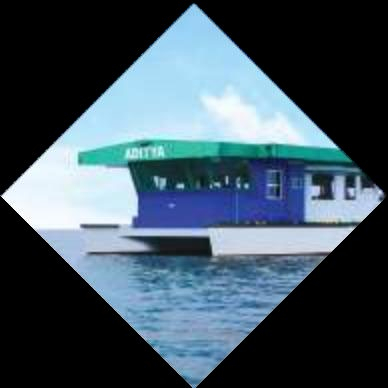
Retrofitting of Boats
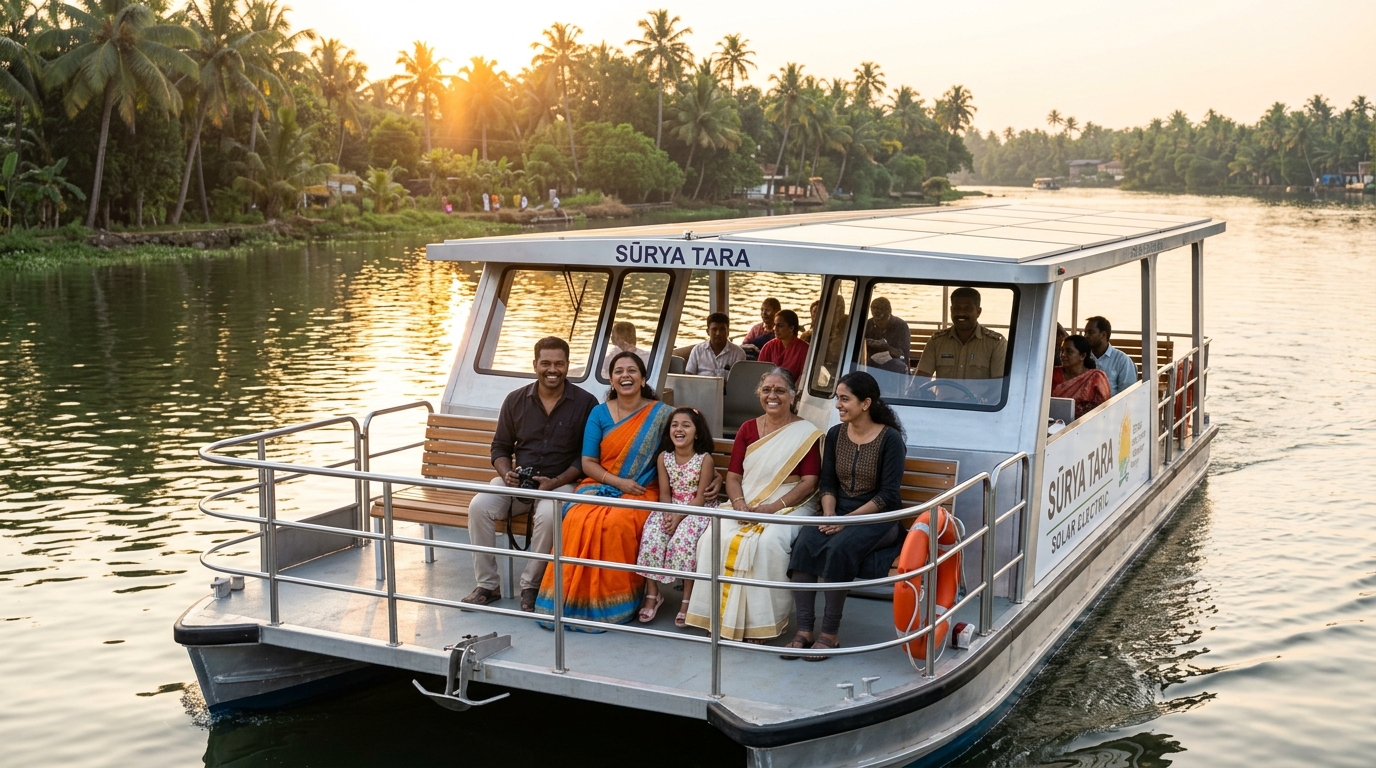
The future of maritime transportation lies not in abandoning traditional vessels, but in transforming them through smart modifications. Retrofitting of boats is an advanced technological process that convert petrol or diesel-powered boats into clean, high-efficiency hybrid electric vessels without requiring a full fleet replacement. This approach extends the operational life of existing boats while bringing them up to the highest standards of contemporary marine engineering.
The system integrates updated electric propulsion, flexible hybrid capabilities, and the latest battery technology. Through precise diesel-to-hybrid conversion, Green Boats brings green energy performance that remains environment-friendly while maintaining the same high efficiency operators expect from conventional vessels. Fleet owners can modernize their boats quickly and effectively, protecting coastal ecosystems, harbors, and lakes without sacrificing reliability.
In pure electric mode, Green Boats operate completely emission-free, producing zero exhaust fumes, carbon dioxide, or particulate matter. The hybrid configuration ensures optimum power management and consistent performance on longer journeys, combining the flexibility of modern green energy systems with dependable on-water operation.
A key advantage of Green Boats is its exceptional quietness and smooth performance. The system runs with negligible noise and virtually zero vibration, creating a peaceful and comfortable environment for passengers and crew. This silent operation enhances experiences on eco-tourism routes, harbor facilities, and leisure cruises, while offering a gentle, environment-friendly presence near marine life, sanctuaries, and coastal habitats.
‘Retrofitting of boats’ is a practical and cost-effective investment. It provides the benefits of cutting-edge technology without the expense of purchasing entirely new vessels. Lower daily energy costs and reduced maintenance needs, thanks to streamlined components, deliver strong long-term operational efficiency and a clear return on investment.
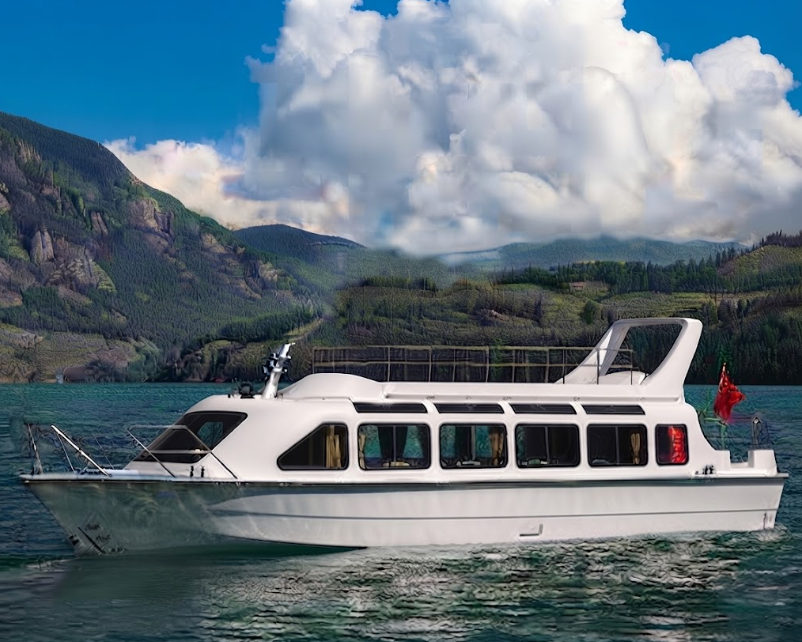
Electric & Hybrid Retrofit
Extended lifecycle for existing vessel hulls
Aligned with Government Vision and Green Maritime Mandates
Government and maritime authorities worldwide have shifted from merely encouraging eco-friendly shipping to actively mandating it. In India, green boat products and retrofitting technologies are recognized as vital strategic assets aligned with national environmental goals and clean energy frameworks.
The Harit Nauka Vision & 2030–2047 Target
Launched by the Ministry of Ports, Shipping and Waterways, the formal Harit Nauka Inland Vessels Green Transition Guidelines mandate a 100% transition to zero-emission green boats in Indian waters by 2047. The official blueprint targets the operational deployment of over 1,000 green boats and active Water Metro models by 2029–2030 across major urban transit corridors.
Infrastructure Catalyst Across 10 Key Cities
The central government is actively standardizing clean energy infrastructure to deploy zero-emission green boats in the first phases of the National Water Metro Policy. The initial 10 major cities undergoing this green boat infrastructure transformation include:
The 2030 Electric Inland Mandate
To aggressively eliminate riverine pollution across prominent domestic channels, the government has set a strict target of 100% electric propulsion for newly built government-operated inland passenger green boats by 2030, accelerating the nationwide demand for clean drivetrains.
Reducing Energy Imports via Financial Subsidies
Backed by the central government, the scheme provides direct financial aid and structural subsidies for the maritime sector, offering up to 30% financial assistance specifically to lower the entry barrier for acquiring green boats equipped with hybrid or electric propulsion.
Solving Local Public Health & River Ecology Crises
Green boats serve as a direct mechanism to mitigate localized hazards such as oil leaks, sulfur emissions, and underwater engine noise, safeguarding vulnerable river ecosystems, freshwater species, and protected marine habitats.
Benefits to Retrofit the Boat
| Marine Environment Benefit |
electric_bolt
Green Boat (Electric / Hybrid)
|
warning
Old Fuel System
|
|---|---|---|
| 1. Zero Direct Emissions |
check_circle 100% Clean Exhaust
No exhaust fumes, CO₂, NOx, SOx, particulates. |
The unburnt hydrocarbons released into the water/air while running and causes the pollution. |
| 2. Oil/Fuel Leaks Risk |
check_circle Zero Spill Danger
No risk — eliminates spills from fuel systems, huge for preventing water pollution. |
Spills and leaks from fuel systems create massive and persistent water pollution in ports and lakes. |
| 3. Cleaner Water & Ecosystems |
check_circle Habitat Protection
Reduces noise pollution that disturbs marine life and preserves pristine water quality. |
Noise pollution disturbs marine life like whales, dolphins, and fish that use sound for navigation and communication. |
| 4. Much Quieter Operation |
check_circle 3–5× Energy Efficiency
Peaceful for wildlife zones, eco-tourism, and harbors, especially beneficial near beaches, mangroves, reefs, or protected areas where old boats idle a lot. When charged with renewable energy (solar/home green power), it's far greener than diesel. Even on grid power, electric motors are 3–5× more efficient than ICE engines. |
Diesel boats make excessive noise and vibration that disrupt passenger comfort and severely disturb aquatic ecosystems. |
| 5. Lower Overall Carbon Footprint |
check_circle 7% to 50%+ CO₂ Cut
Studies show conversions can cut CO₂ by 7–50%+ depending on usage and grid cleanliness, plus massive drops in other harmful pollutants. |
Even when idling, traditional engines constantly leak tiny amounts of fuel and oil into the water, release toxic exhaust (CO₂, NOx, particulates) that settles on the surface, and create noise/vibration that stresses marine life. |
“It's a practical way to green an existing fleet without scrapping boats — many old fishing, tour, or leisure boats get new life this way.”
What It Will Take
Cost: Retrofitting costs roughly a quarter of buying a brand-new vessel.
Converting an existing boat to electric propulsion is one of the most cost-effective decisions a fleet operator can make, putting it well within reach for operations of any size.
Drastic Energy Savings
The cost of electricity typically ranges between 10% and 30% of what operators generally spend on diesel, creating massive recurring operational cost reductions from Day 1.
Minimal Routine Servicing
With fewer moving parts than a combustion engine, routine servicing expenses are largely eliminated, and electric motors substantially outlast standard combustion engines.
5 to 10 Year Payback Period
Most high-utilization vessels recover their initial conversion cost in five to ten years, with battery technology costs continuing to decline rapidly each year.
A Smart Way to Go Green
Choosing to retrofit is simply a smart way to go green — an opportunity to break from the traditional routine while making a determined, positive impact on the maritime environment. From busy commercial ports to quiet coral reefs, electric power gives you a clean, silent, and highly efficient ride.